


Sparta Lodge
No. 296 A.F. & A.M.
Sparta Mo, 65753

MAKING GOOD MEN BETTER SINCE 1888
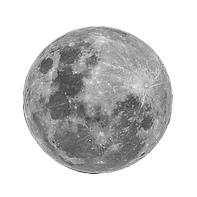
A check of Coil's Masonic Encyclopedia informs us that in the past, Moon Lodges: Population was more rural and there were no electric lights even in the cities. In the 18th century, the almanac was a common household authority and Freemasons, like others, measured their time and to some extent regulated their activities by it. Lodge By-laws often fixed the stated meetings on, just before or just after the Full Moon, thus, making 13 stated meetings per year.
There was a very practical reason for fixing meetings around the night of a Full Moon for, in rural communities, which predominated n the 18th century, there would be no natural illumination to guide the members to and from lodge over several miles of rough road.' While many Grand Lodges have since legislated Moon Lodges out of existence, others have clung to the old custom, preferring the inconvenience caused by confusion as to just when the moon is full, to sacrificing what has had the force of an "ancient usage and custom." It is interesting to realize the first mention of Moon Lodges was in the Cooke Manuscript of 1410, one of the oldest documents belonging to the Masonic Craft. It is understood moon lodges were first mentioned in a ritual in "The Whole Institute of Masonry," published in 1724. By 1767 there were five numbered lodges governed by the moon operating under the Grand Lodge of England. By the year 1776, this amount had increased to nine of 499 lodges in England which included the Provincial Lodges located in the English Colonies abroad.
The Minutes of Aitcheson's Haven Lodge in Scotland, beginning in 1598 show frequent meetings at odd dates, and although some of them may well have been chosen because they were on or near the nights of the full moon, there are no surviving regulations to suggest that those nights were deliberately chosen for that purpose.
This is an interesting article which is taken from the web page of Charity Lodge No. 134 in Maryland.
With Compliments
Bro Tofique Fatehi